
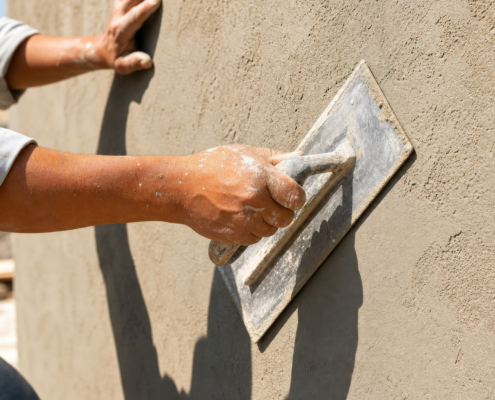
 https://www.amprconsulting.com/wp-content/uploads/2026/11/Stucco-Remediation-Cost-and-Who-Should-Pay-It.jpg
1250
2000
Abstrakt Marketing
/wp-content/uploads/2025/11/AMPR-Logo-Color-300x100.png
Abstrakt Marketing2026-11-23 07:20:442026-11-23 07:20:50Stucco Remediation Cost and Who Should Pay It
A water damage claim denied on a commercial or multifamily building is not always the end of the claim. Carriers deny these losses for a short list of reasons. Each one turns on facts that can be documented: when the water arrived, where it came from, and whether the damage is a defect or deterioration. AMPR Consulting is not a law firm and does not litigate. AMPR builds the technical record, runs the testing, and coordinates experts and counsel so the facts are on paper before anyone argues about them. That work is the core of AMPR’s approach to a denied property insurance claim.
Send us the denial letter before you start repairs. What you do in the next few weeks decides what evidence still exists.
Why Carriers Deny Commercial and Multifamily Water Losses
Commercial property policies are written on forms such as the ISO Causes of Loss – Special Form (CP 10 30). That form covers direct physical loss unless an exclusion or limitation applies. Four of them do most of the work on water losses, and each has limits that the denial letter may not mention. You can review the published ISO CP 10 30 form language yourself.
1. Continuous or Repeated Seepage or Leakage
The form excludes continuous or repeated seepage or leakage of water, or the presence of moisture or vapor, that occurs over a period of 14 days or more. The clock runs from when the water began, not from when someone noticed the stain. If the carrier assumes a slow leak ran for months, the owner needs a record that shows when water actually first arrived.
2. Wear and Tear and Deterioration
The form excludes wear and tear, rust, decay, deterioration and latent defects. On a building less than 10 years old, a wear and tear finding deserves scrutiny. When long-life components fail early, the cause is often how they were built. That is a defect question, not a maintenance one.
3. Faulty Workmanship, Materials or Design
The form excludes faulty, inadequate or defective design, workmanship, construction and materials. This is the exclusion carriers cite most when water intrusion traces back to construction. Owners researching faulty workmanship insurance should read its built-in exception, covered next, before they accept the denial.
4. The Interior Rain Limitation
The form limits coverage for damage to the building interior caused by rain, snow or sleet, unless the building first sustains damage by a covered cause of loss to its roof or walls, through which the water enters. The question becomes whether a covered event created the opening, or whether the opening existed because of how the envelope was built. For windows, field tests such as ASTM E1105 show whether water enters through the unit or around it.
What Ensuing Loss Means in a Faulty Workmanship Denial
Ensuing loss is the part of a policy that restores coverage for damage that results from an excluded cause, when a covered peril causes that resulting damage. In plain terms, the exclusion may remove the cost of fixing the defective work, while the water damage that followed can still be covered.
In the CP 10 30 form, the workmanship exclusion carries this kind of language: if an excluded cause of loss results in a covered cause of loss, the carrier will pay for the loss caused by that covered cause. Whether it applies is a question for counsel. Whether the facts support it is an evidence question:
- What was defective?
- What was damaged afterward?
- How does the cost estimate separate the two?
An estimate that puts the whole repair in one number makes the ensuing loss question hard to answer. Split the estimate into the cost to correct the defective work and the cost to repair the damage that followed.
What Your Denial Letter Should Say and What to Check
A denial letter should identify the exact policy language the carrier relied on. In California, the Fair Claims Settlement Practices Regulations require written denials of first-party claims to list the bases for the denial. When the carrier relies on a policy provision, the letter must reference it and explain how it applies. See 10 CCR § 2695.7 for the regulation text. Other states have their own rules.
When you review the letter, check:
- Which exclusion is cited, by section, and whether the letter quotes it or only paraphrases it.
- What facts the carrier relied on, and whether they came from a single site visit or from testing.
- Whether the letter addresses ensuing loss at all when it cites workmanship.
- What date the carrier assigns to the start of the water, and what that date is based on.
- Any deadlines stated in the letter or the policy for a response, a suit limitation or appraisal.
Suit Limitation Deadlines Can Be Short
Many property policies require any suit within one year of the loss. In California, courts generally pause that period from the date the loss is reported until the carrier denies the claim, so the time left after a denial may be shorter than it looks. Counsel confirms the exact date.
How a Technical Record Answers Each Exclusion
Carriers reconsider denials when the facts in the file change. A technical record replaces assumptions with measurements.
A Documentation Timeline
A dated timeline answers “pre-existing” and “long-term” arguments. It pulls together tenant complaints, work orders, prior reports, weather data and photos. When the timeline shows that the first water event falls inside a short window, the 14-day seepage argument weakens.
Moisture Mapping and Thermography
Moisture mapping and infrared thermography show where water is and how it moves. Repeated readings show whether a wet area is spreading from one entry point or has been saturated for a long period. That helps fix when and where the water arrived.
Destructive Sampling
Test cuts and openings show what is behind the finish. They separate a construction defect, such as missing flashing or a reversed membrane lap, from deterioration of a properly built assembly. That distinction answers wear and tear arguments directly. It also identifies which work was defective and which damage ensued.
| Exclusion | What the carrier argues | Evidence that answers it | Who produces it |
| Seepage (14+ days) | The leak ran for weeks or months before it was reported. | Dated timeline, repeated moisture readings, weather correlation. | Claims manager with building envelope consultant. |
| Wear and tear | The component aged out; it is a maintenance issue. | Destructive sampling showing installation errors; building age vs. expected service life. | Forensic engineer or envelope consultant. |
| Faulty workmanship | The loss is the defective work, which is excluded. | Separation of defective work from resulting damage; cost estimate split by category. | Envelope consultant and cost estimator; counsel on policy language. |
| Interior rain limitation | No covered opening in the roof or walls. | Documentation of the opening, how it formed, and when. | Forensic engineer; roofing or envelope specialist. |
Insurance Claim Denied: What to Do in the First 30 Days
If your insurance claim was denied and you are deciding what to do, the order of steps matters more than speed. These steps protect the record first.
- Read the denial letter line by line and list every exclusion and fact it cites.
- Request the full policy, including all endorsements, if you do not already have a certified copy.
- Request the carrier’s consultant report and the photos it relied on for the denial.
- Mitigate without demolishing. Stop active water and protect the building, but photograph and log everything first.
- Preserve removed materials. Wet drywall, failed membranes and corroded fasteners are evidence.
- Commission independent testing aimed at the specific exclusions cited.
- Calendar every deadline in the letter and the policy, and confirm them with counsel.
- Identify other coverage, including the builder’s liability policy and any wrap-up program.
BEFORE YOU RESPOND TO THE CARRIER
The denial letter tells you which facts the carrier is relying on. Have those facts tested before anyone replies, repairs or argues with the adjuster.
What Not to Do After a Water Damage Denial
- Do not start permanent repairs before documentation. Repairs can erase the evidence that answers the exclusion. Destroying or altering evidence relevant to a dispute is called spoliation, and it can limit what you can later prove.
- Do not argue with the adjuster without the record. A verbal debate tends to harden the carrier’s position before new facts exist.
Your Property Policy vs. the Builder’s Liability or Wrap Coverage
Your property policy is first-party coverage: it pays you for damage to your building, subject to its exclusions. The builder’s commercial general liability policy, or a wrap-up program that covers the project, is third-party coverage. It responds to claims against the builder and its subcontractors for property damage caused by their work.
These policies use different language. A workmanship exclusion in your property form does not control what the builder’s liability carrier owes. When water intrusion traces to construction, a denial on one policy can leave another open. On a newer building, that second path often runs through AMPR’s construction defect claims consulting. Which path comes first is a strategy decision made with counsel.
What This Looks Like in Practice
On a Hollywood multifamily building, AMPR stepped into a water intrusion matter where the claim had stalled. The work began with a timeline, moisture data and openings at suspected entry points, coordinated with the experts and counsel already involved. See our client results for published outcomes.
Frequently Asked Questions
Can a denied water damage claim be reconsidered?
Yes. Carriers reconsider and change position when new facts enter the claim file, such as testing that fixes when and where water entered. AMPR builds that technical record and coordinates with counsel, who handles any policy arguments. Start with a review of the denied property insurance claim.
What does continuous or repeated seepage mean in a commercial policy?
In the ISO CP 10 30 form, it means seepage or leakage of water, or the presence of moisture, that occurs over a period of 14 days or more. The exclusion turns on when the water began. A dated record of the first water event is the main way to answer it.
Is faulty workmanship covered by insurance?
The defective work itself is usually excluded under commercial property forms. Resulting damage may still be covered under the ensuing loss language, and the builder’s liability coverage may respond separately. Counsel interprets the policy. The evidence shows what was defective and what was damaged afterward.
What is ensuing loss?
Ensuing loss is policy language that restores coverage for covered damage that follows an excluded cause. In a workmanship denial, it can separate the cost to fix the defective work, which is excluded, from the water damage that followed, which may be covered.
How do I know if it is a construction defect or wear and tear?
Destructive sampling shows whether an assembly was built correctly and then aged, or was built wrong from the start. Building age matters too, because early failure of long-life components often points to installation. For how a defect is defined, see what is a construction defect. Our guide on construction defect vs. wear and tear covers the indicators.
What if the carrier’s inspector got it wrong?
Carrier consultants often observe without testing. A second opinion on the carrier’s inspection uses independent testing to check the findings the denial relied on.
Should I make repairs after a denial?
Stop active water and protect the building, but document before any permanent repair or demolition. Repairs made first can remove the evidence needed to respond to the exclusion. On stucco buildings, see why stucco remediation cost and the claim should come from the same testing.
How long do I have after a water damage claim is denied?
It depends on the policy and the state. Many property policies set a one-year suit limitation, and the denial letter may state other deadlines for a response or appraisal. Calendar every date and confirm it with counsel.
Who should I call first after a water damage claim is denied?
Contractors, brokers and lawyers each see part of the problem. AMPR works with owners and developers to coordinate testing, experts and counsel from one record, so the next step is based on facts. The AMPR construction defect claims process shows how that work runs.
Build the Record Before You Answer the Denial
A water damage denial on a commercial building usually turns on facts the carrier assumed: when the water started, what failed, and whether the cause was a defect or age. Those facts can be tested. AMPR Consulting builds the technical record, runs the testing, and coordinates experts and counsel from day one, with no dependence on litigation to move the claim forward.
Put the denial letter in front of a team that reads exclusions and building assemblies together. Send us the denial letter, review our denied property insurance claim service, or call (310) 361-0209. The first conversation is a no-cost initial conversation, and engagement terms are discussed openly.
https://www.amprconsulting.com/wp-content/uploads/2026/11/Stucco-Remediation-Cost-and-Who-Should-Pay-It.jpg
1250
2000
Abstrakt Marketing
/wp-content/uploads/2025/11/AMPR-Logo-Color-300x100.png
Abstrakt Marketing2026-11-23 07:20:442026-11-23 07:20:50Stucco Remediation Cost and Who Should Pay It https://www.amprconsulting.com/wp-content/uploads/2026/10/What-to-Do-When-No-One-Seems-to-Be-Advancing-Your-Construction-Defect-Claim.jpg
1250
2000
Abstrakt Marketing
/wp-content/uploads/2025/11/AMPR-Logo-Color-300x100.png
Abstrakt Marketing2026-10-08 10:58:272026-10-08 10:59:39What to Do When No One Seems to Be Advancing Your Construction Defect Claim
 https://www.amprconsulting.com/wp-content/uploads/2026/10/Isolated-Repair-or-Building-Wide-Defect-How-to-Tell-the-Difference-in-a-Multifamily-Property.jpg
1250
2000
Abstrakt Marketing
/wp-content/uploads/2025/11/AMPR-Logo-Color-300x100.png
Abstrakt Marketing2026-10-08 10:49:462026-10-08 10:49:52Isolated Repair or Building-Wide Defect: How to Tell the Difference in a Multifamily Property
 https://www.amprconsulting.com/wp-content/uploads/2026/10/How-a-Construction-Defect-Affects-Your-Multifamily-Propertys-Capital-Reserves-and-NOI.jpg
1250
2000
Abstrakt Marketing
/wp-content/uploads/2025/11/AMPR-Logo-Color-300x100.png
Abstrakt Marketing2026-10-08 10:44:532026-10-08 10:44:58How a Construction Defect Affects Your Multifamily Property’s Capital Reserves and NOI
 https://www.amprconsulting.com/wp-content/uploads/2026/10/Latent-vs.-Patent-Defects-Why-the-Discovery-Date-Determines-How-Long-You-Have-to-Act.jpg
1250
2000
Abstrakt Marketing
/wp-content/uploads/2025/11/AMPR-Logo-Color-300x100.png
Abstrakt Marketing2026-10-08 10:35:082026-10-08 10:37:33Latent vs. Patent Defects: Why the Discovery Date Determines How Long You Have to Act
 https://www.amprconsulting.com/wp-content/uploads/2026/08/contractor-handshake-with-customer-after-business-meeting.jpg
1250
2000
Abstrakt Marketing
/wp-content/uploads/2025/11/AMPR-Logo-Color-300x100.png
Abstrakt Marketing2026-08-27 10:13:312026-08-27 10:13:40What Insurance Brokers and Risk Managers Can Do When a Client Faces a Construction Defect Claim
 https://www.amprconsulting.com/wp-content/uploads/2026/08/Construction-site-workers-aerial-Top-View.jpg
1250
2000
Abstrakt Marketing
/wp-content/uploads/2025/11/AMPR-Logo-Color-300x100.png
Abstrakt Marketing2026-08-27 10:13:292026-08-27 10:13:45New York Construction Defect Claims: Deadlines, Rights, and When to Bring In a Consultant
 https://www.amprconsulting.com/wp-content/uploads/2026/08/construction-engineer-and-supervisor-checking-blueprint-for-heavy-steel-pipeline.jpg
1250
2000
Abstrakt Marketing
/wp-content/uploads/2025/11/AMPR-Logo-Color-300x100.png
Abstrakt Marketing2026-08-27 10:13:242026-08-27 10:13:40What a Construction Defect Investigation Involves: Experts, Costs, and Who Should Be Managing It
 https://www.amprconsulting.com/wp-content/uploads/2026/08/Lakewood-Ranch-Florida-neighborhood-landscaping.jpg
1250
2000
Abstrakt Marketing
/wp-content/uploads/2025/11/AMPR-Logo-Color-300x100.png
Abstrakt Marketing2026-08-27 08:55:042026-08-27 08:55:13HOA Construction Defect Claims: What Boards Need to Do in the First 90 Days